
NARRATIVE THINKING FOR DIGITAL PRODUCTS.
Making complexity legible through design.
Pulitzer, Emmy, Webby winner
- often cited by my mom.
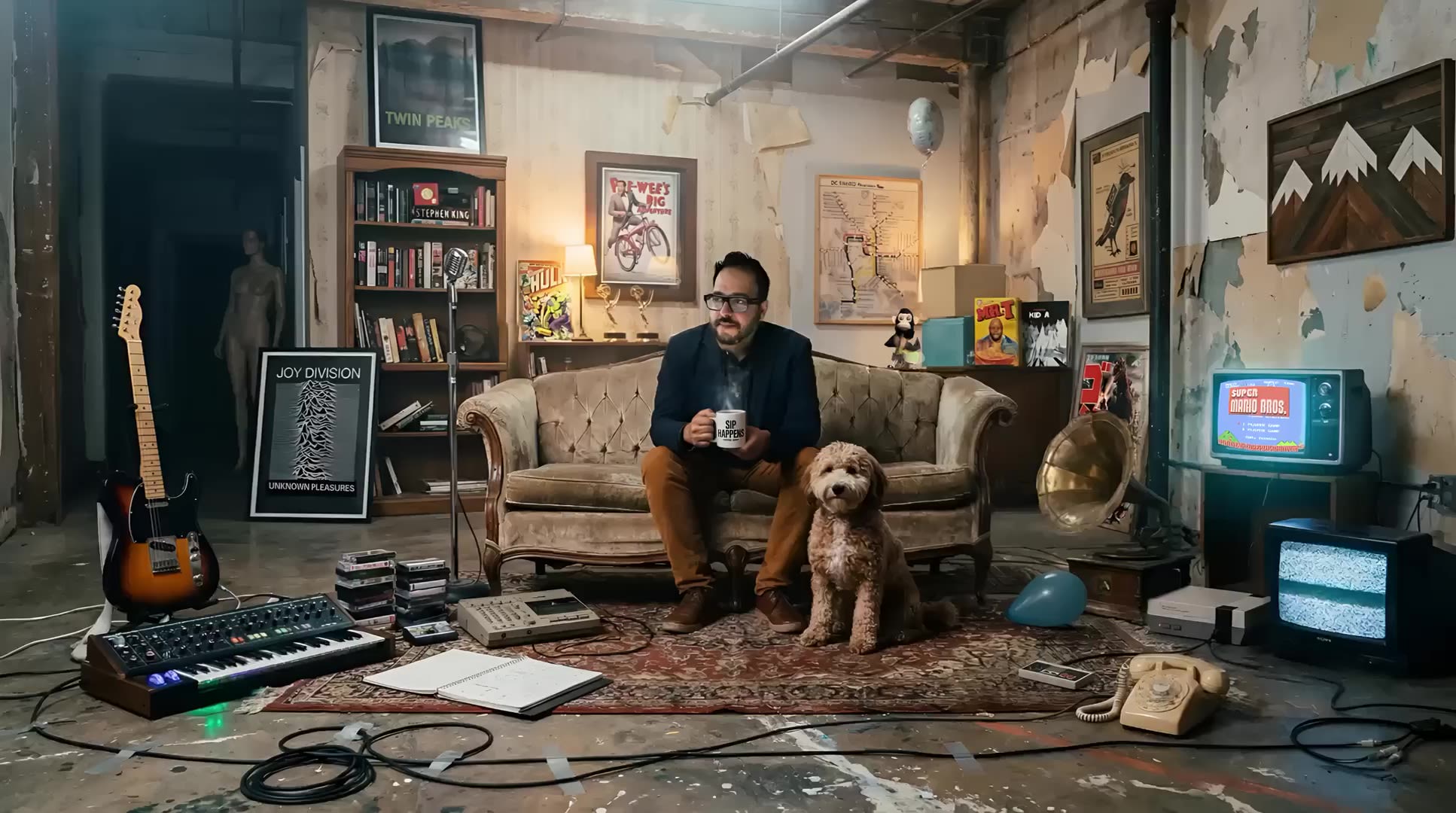

“People think in stories, not statistics, and marketers need to be master storytellers.”
Whether the medium is film, motion, interactive design, branding, or generative AI, the goal is simple: turn complexity into narrative.
Good visuals explain.
Great stories stay with you.




THE CREATIVE PANTHEON
Six integrated disciplines across creative direction, motion, generative AI, narrative, and brand.

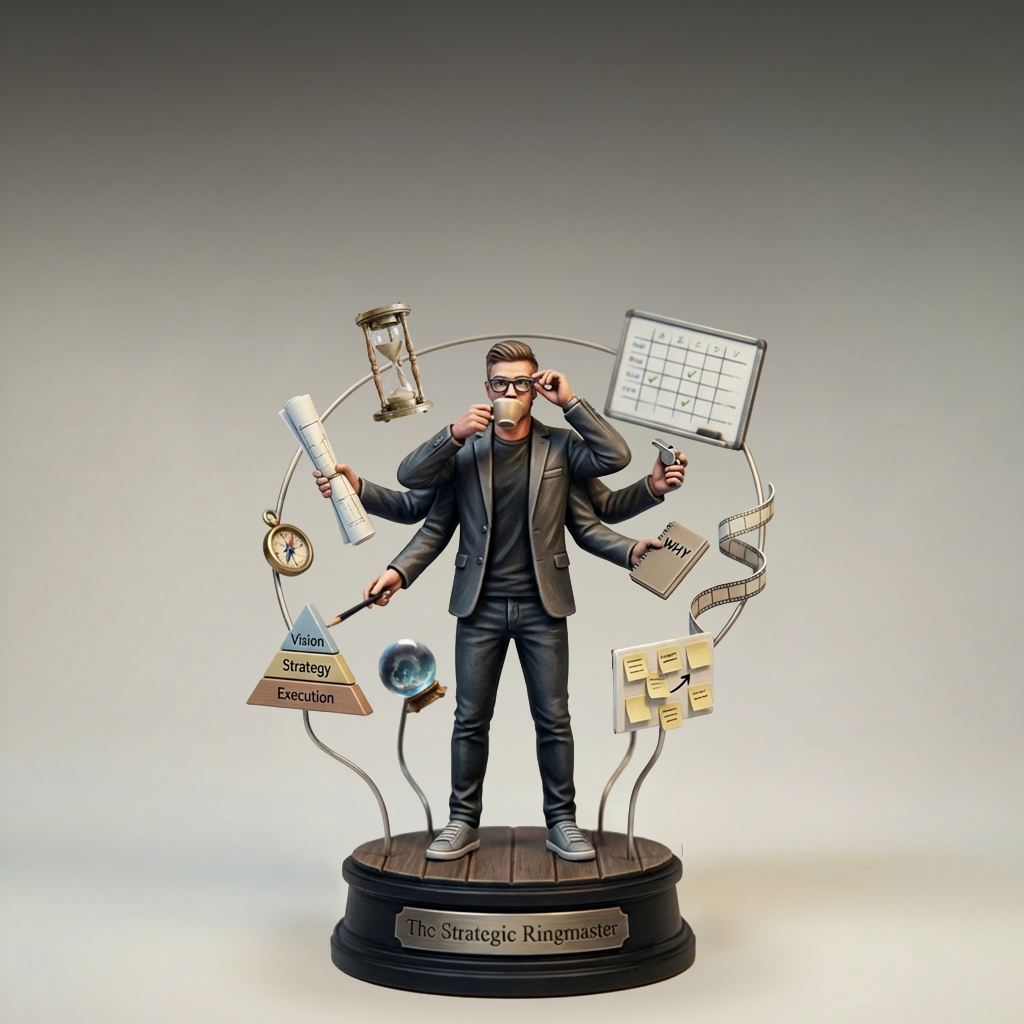
The Strategic
Ringmaster
Creative Direction
Leads vision and aligns teams around
a clear narrative strategy.

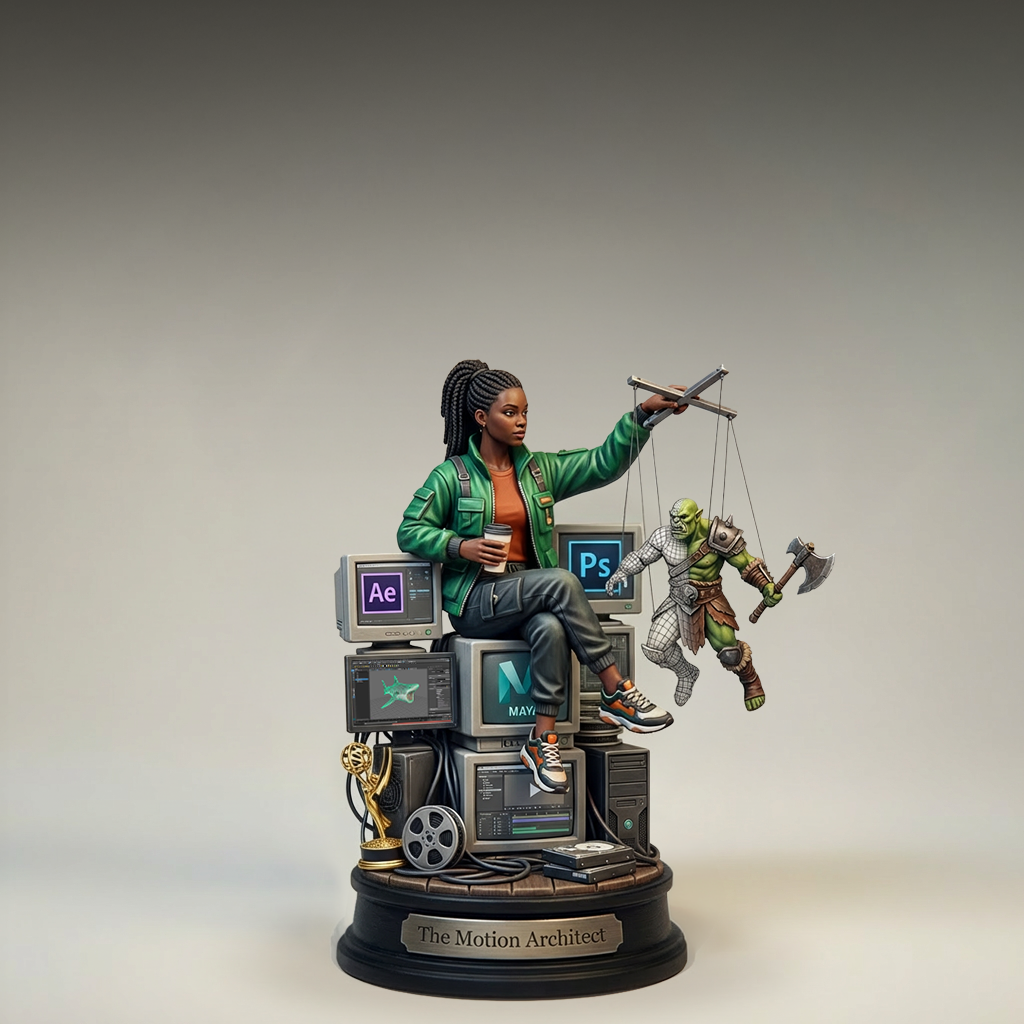
The Motion
Architect
Motion Design (2D / 3D)
Builds scalable motion systems for clear,
cross-platform storytelling.

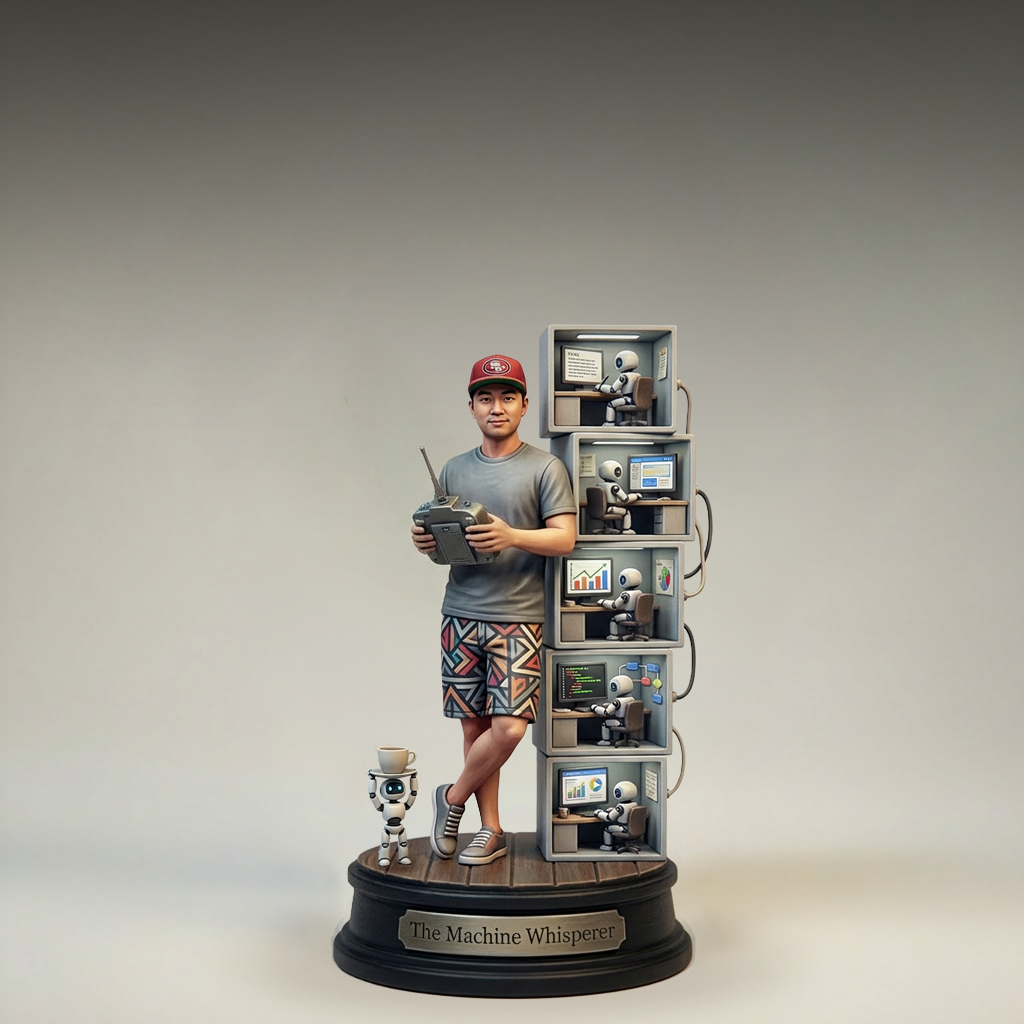
The Machine
Whisperer
Generative AI Systems
Integrates and leads scalable AI workflows
for creative and product teams.

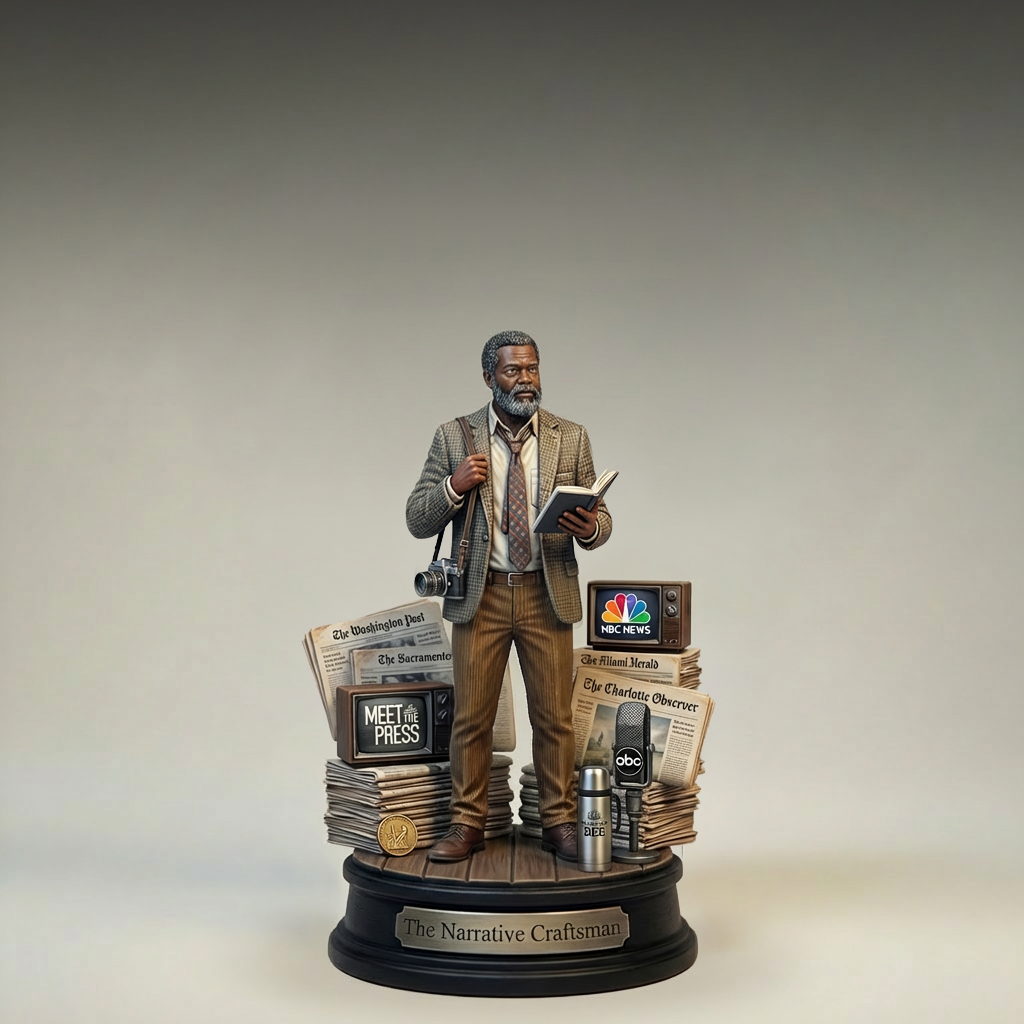
The Narrative
Craftsman
Narrative & Documentary Storytelling
Translates complex subjects into clear,
human-centered stories.

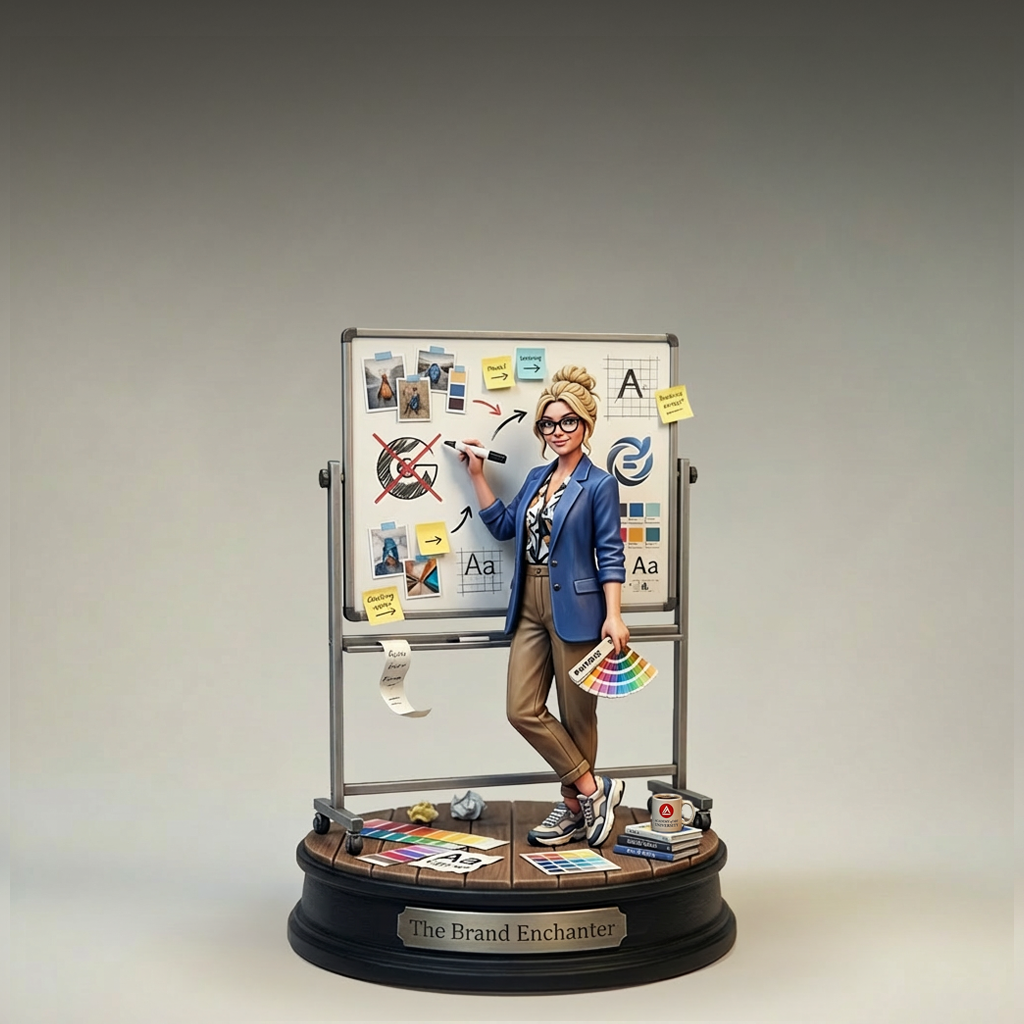
The Brand
Enchanter
Brand & Identity Systems
Builds cohesive brand systems that drive
recognition, consistency, and trust.

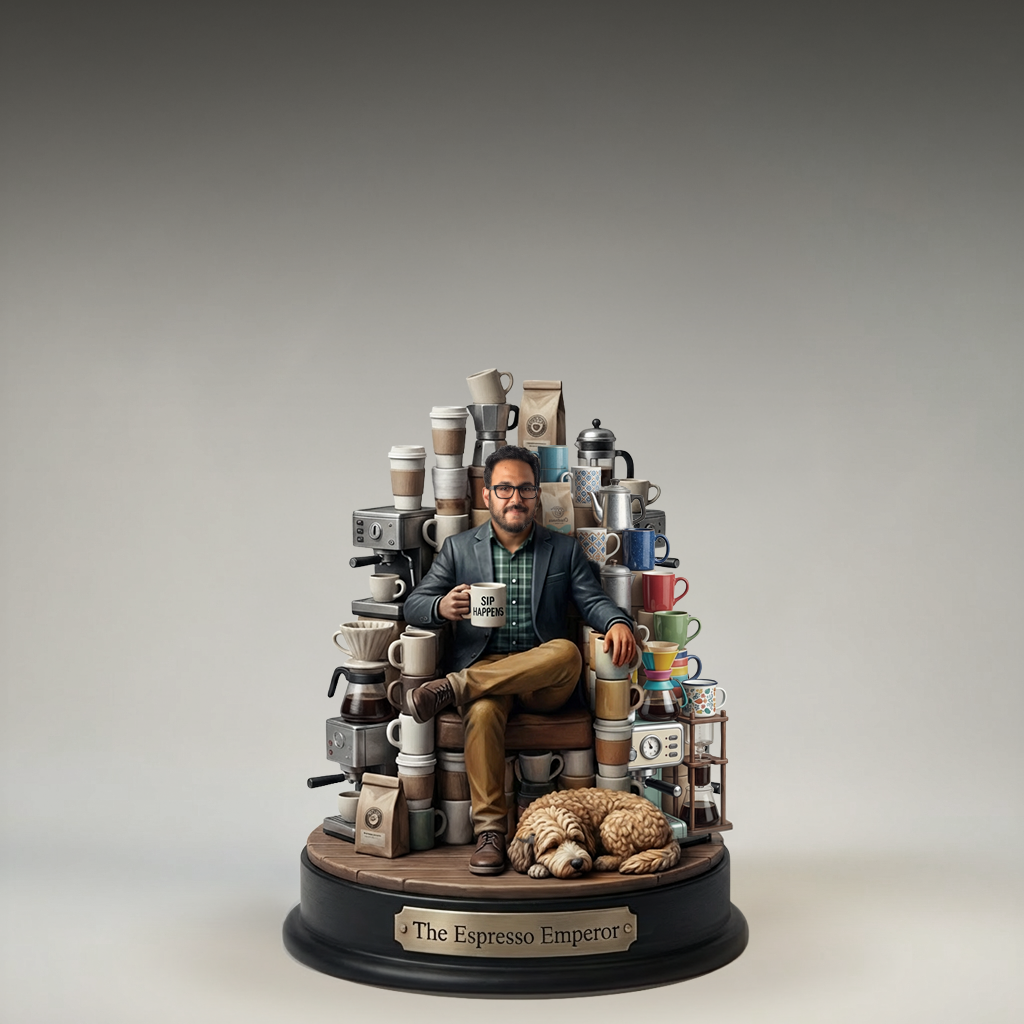
The Espresso
Emperor
Roast Sovereignty & Caffeine Command
Dark and medium roast only.
Sustains the realm.
Featured Work
Visual storytelling across interactive, film, motion design, and whatever medium the story demands.


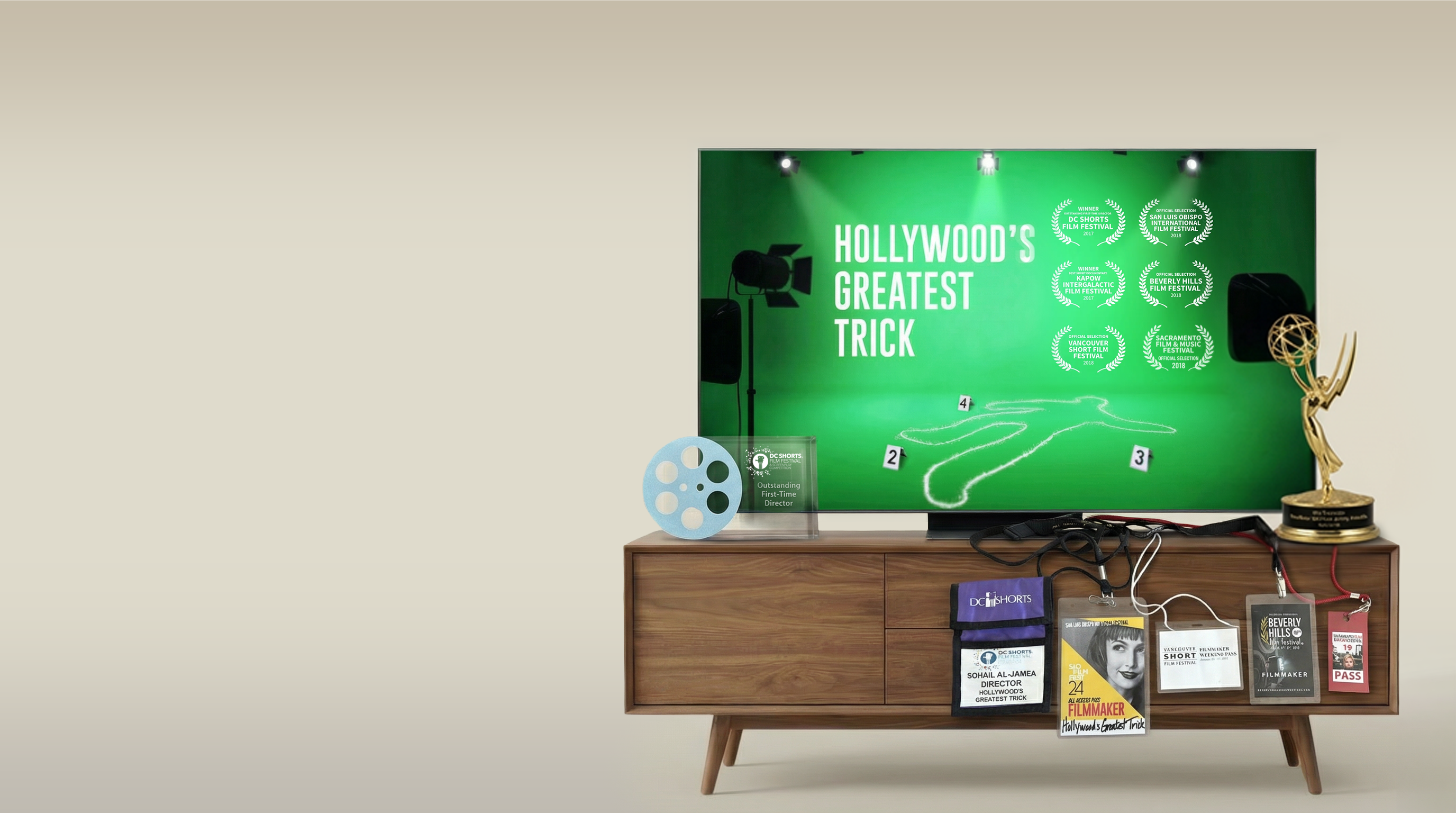




Hollywood's Greatest Trick
In 2013, Rhythm & Hues won the Academy Award for Best Visual Effects for Life of Pi. The studio was in bankruptcy.
Hollywood’s Greatest Trick examines a contradiction at the center of modern filmmaking. The visual effects industry powers many of the biggest movies on earth, yet the artists behind the spectacle work inside a system built on a global bidding war. Contracts are fixed-price, margins are razor-thin, and when the math stops working the cost usually shows up as long hours and very little job security. On top of that, aggressive film tax credits mean the work constantly chases subsidies, pushing large amounts of VFX production to places like Canada where the incentives make it difficult for studios not to follow.
As Co-Director, I reported the story from inside the VFX industry, interviewing artists, supervisors, policy experts, and the former head of Industrial Light & Magic (ILM), while directing videographers both in person and remotely. I also led the film’s motion graphics and post-production design, creating visual sequences that translate complicated studio economics into a clear narrative.
The documentary is available to stream on Prime.
WATCH: Hollywood's Greatest Trick - Trailer
Through interviews, trade analysis, archival material, and designed motion sequences, the film pulls back the curtain on the hidden labor powering blockbuster spectacle.
To help promote the documentary on social media, I art directed a short companion animation explaining how CGI works. I handled the script, storyboard, and animation, working from illustrations created for the piece.
WATCH: How CGI works: Bringing a giant ape to life
The documentary was named a Vimeo Staff Pick, won Outstanding First-Time Director at the DC Shorts Film Festival, and screened at five other international festivals including Vancouver, San Luis Obispo, and Beverly Hills. It was also recognized by the Northern California Regional Emmy Awards.


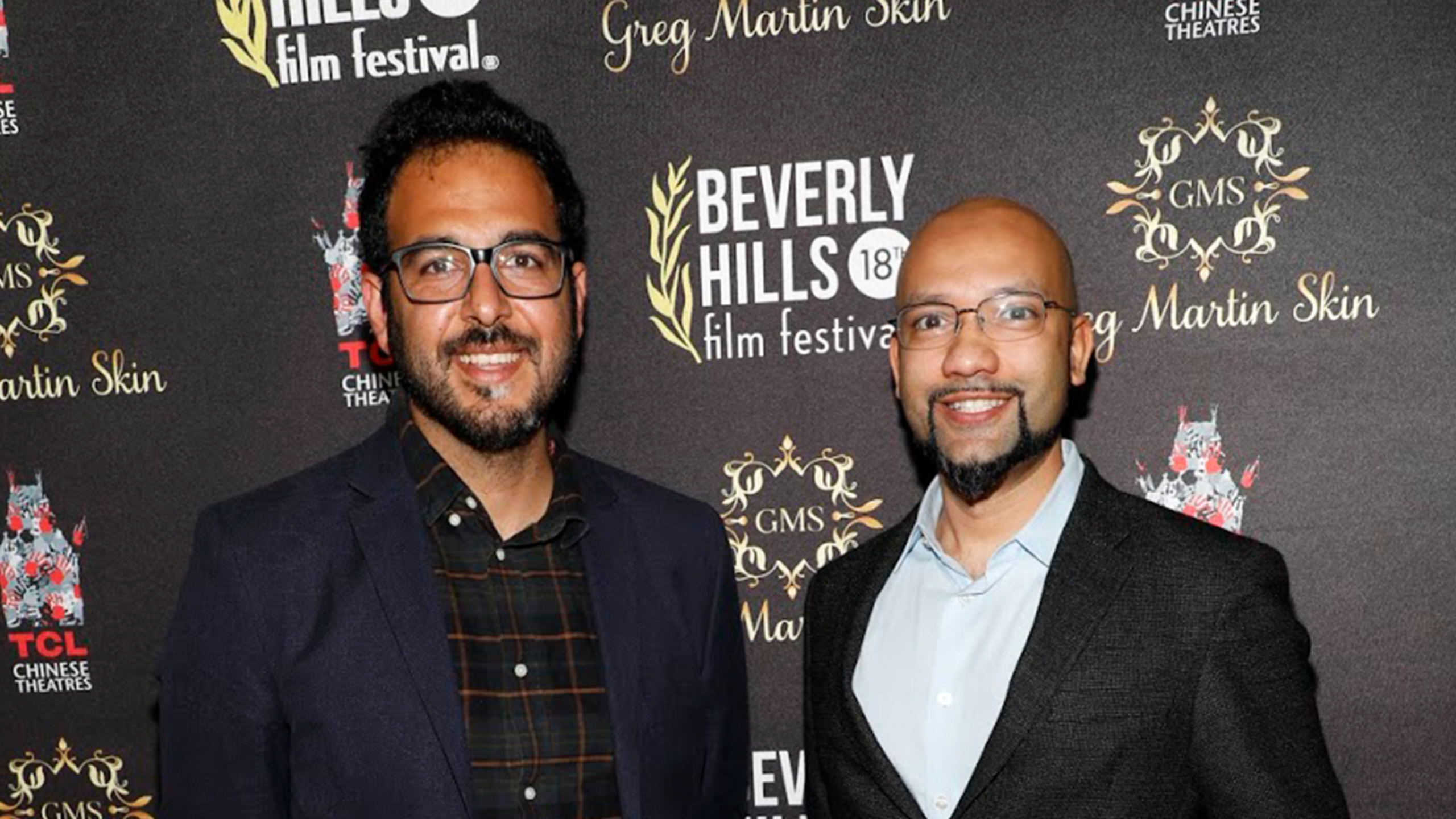
Left: me. Right: co-director Ali Rizvi at the premiere of Hollywood’s Greatest Trick at the 18th Annual Beverly Hills Film Festival.
Left: me. Right: co-director Ali Rizvi at the premiere of Hollywood’s Greatest Trick at the 18th Annual Beverly Hills Film Festival.
The response extended beyond the festival circuit. RogerEbert.com described it as a “solid piece of journalism and a call to arms for the industry as a whole,” while No Film School framed it as an urgent look at why VFX artists remain underpaid despite powering the spectacle of contemporary filmmaking.
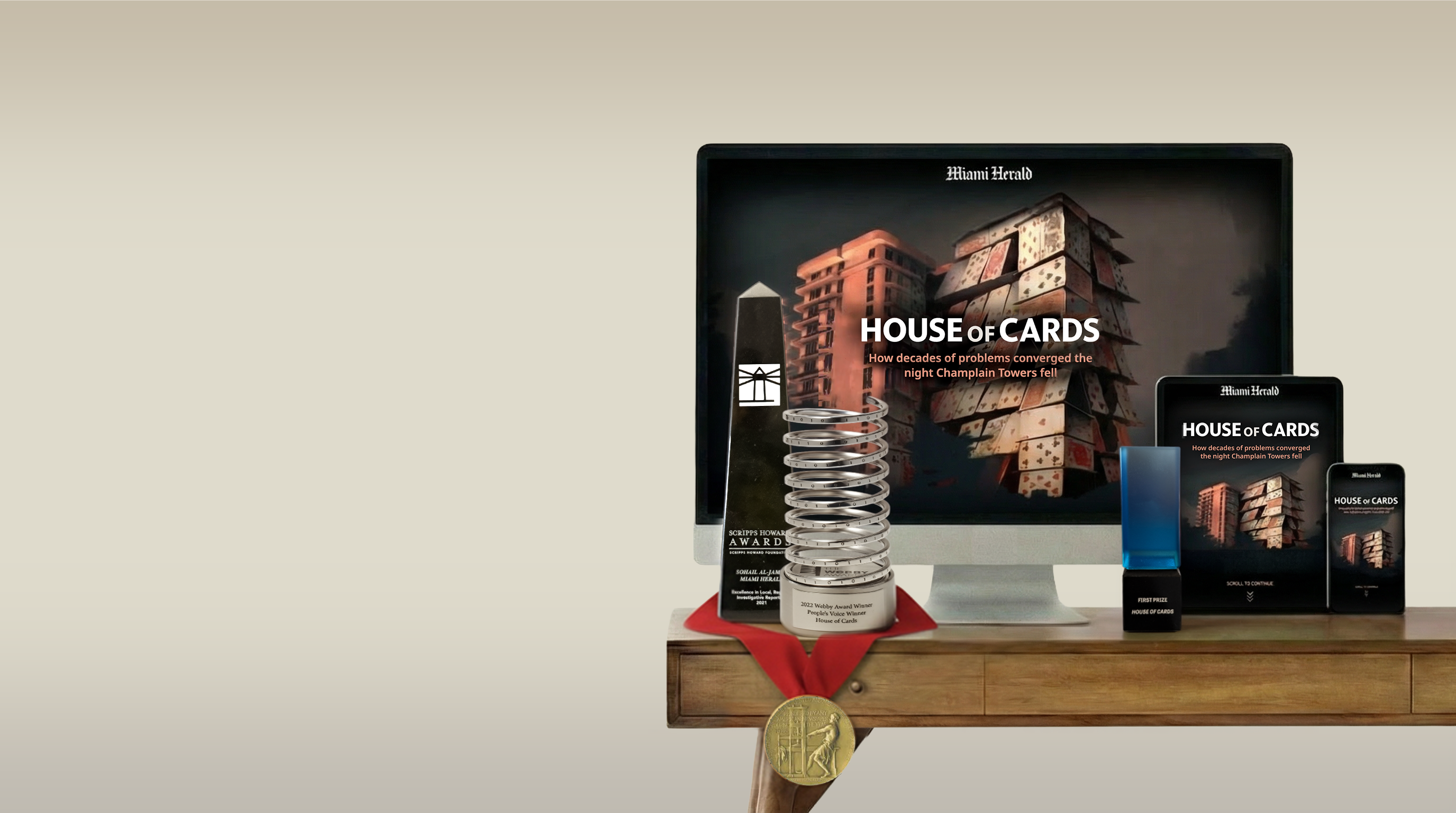
House of Cards
In the early hours of June 24, 2021, the Champlain Towers South condominium in Surfside, Florida collapsed, killing 98 people.
In the days that followed, the Miami Herald newsroom set out to answer a haunting question: how could a modern concrete tower fail so catastrophically?
WATCH: House of Cards - Social Promo
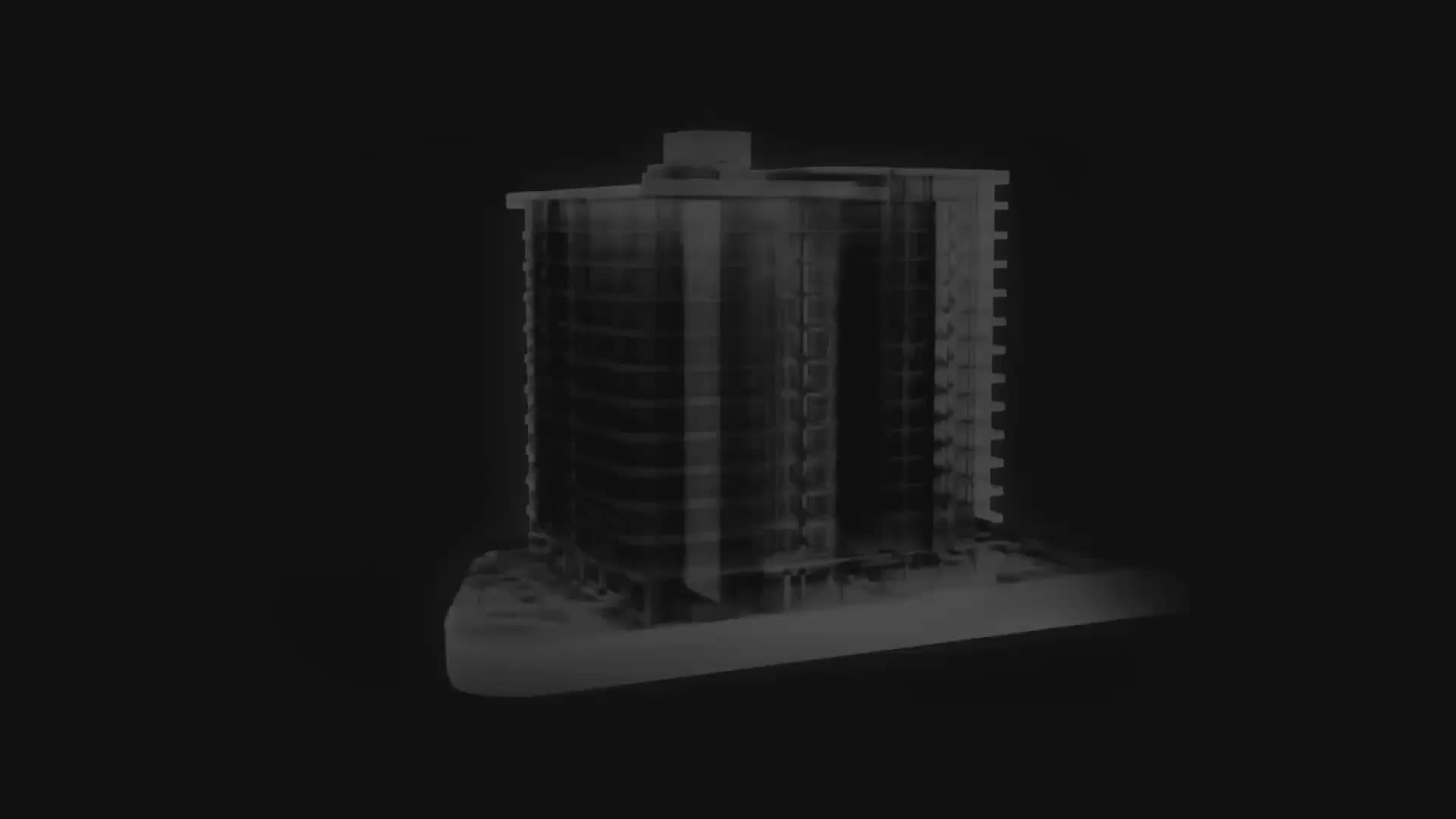
For House of Cards, I served as Creative Director and Co-Producer, helping shape the visual storytelling behind the investigation. Working with reporters and structural engineers, I translated dense technical analysis into a visual narrative, 3D modeling and animating the building to reconstruct how the collapse likely unfolded.
The project combined investigative reporting, engineering analysis, motion graphics, and interactive scrollytelling to guide readers through the mechanics of the disaster. I also helped produce trailers and social visuals that expanded the reach of the story, which quickly became one of the Herald’s most viewed and widely shared investigations.
The reporting was cited on national broadcasts by Anderson Cooper, Jake Tapper, and David Muir, and referenced publicly by Florida Governor Ron DeSantis.

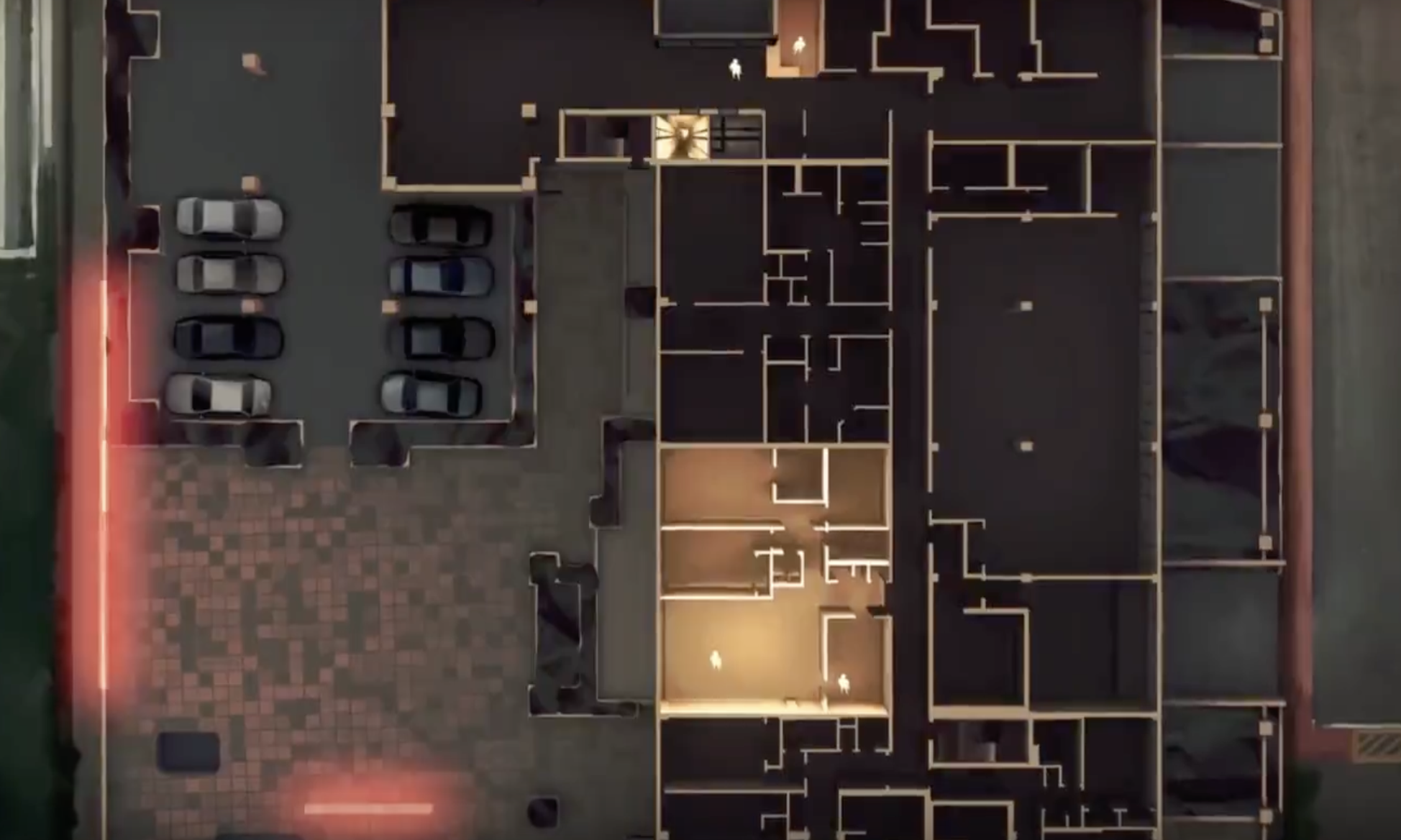
Screenshot from the House of Cards interactive visualizing the Surfside collapse.
Screenshot from the House of Cards interactive visualizing the Surfside collapse.
The work earned an International News Media Association Best in Show, a Scripps Howard Award, and a Webby People’s Voice Award. It was also part of the Miami Herald’s broader Surfside coverage, which received the Pulitzer Prize (staff award).
But the most meaningful recognition came in a quieter form: an email from the adult child of one of the victims, who wrote that the story helped provide him a sense of closure.
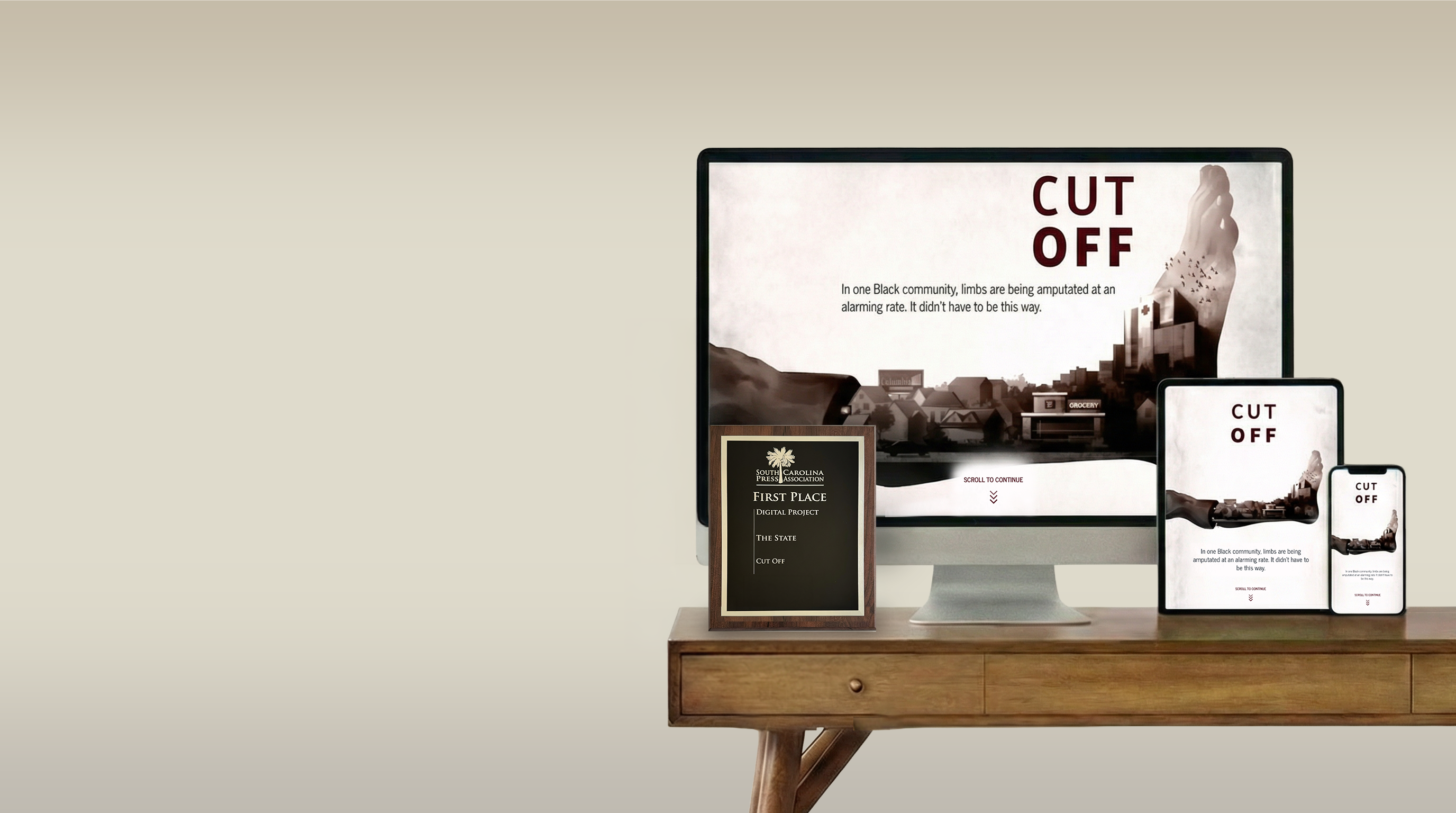
Cut Off
In Columbia, South Carolina’s 29203 ZIP code, diabetics are losing limbs at one of the highest rates in the nation. The State’s investigation examines how gaps in prevention and treatment disproportionately affect a predominantly Black, low-income community, leaving patients facing life-altering surgeries that might otherwise be avoided.
WATCH: Cut Off - Social Promo
As Creative Director and Motion Graphics Artist, I led the visual storytelling for the project, creating motion sequences and data-driven animations designed to reflect the gravity of the situation while illuminating both the medical realities and the systemic failures behind the crisis.
For the animated revascularization explainer, I consulted with the story’s lead medical expert, vascular surgeon Dr. Dan Clair, to ensure the animation accurately reflected both amputation procedures and the limb-saving interventions that can prevent them.

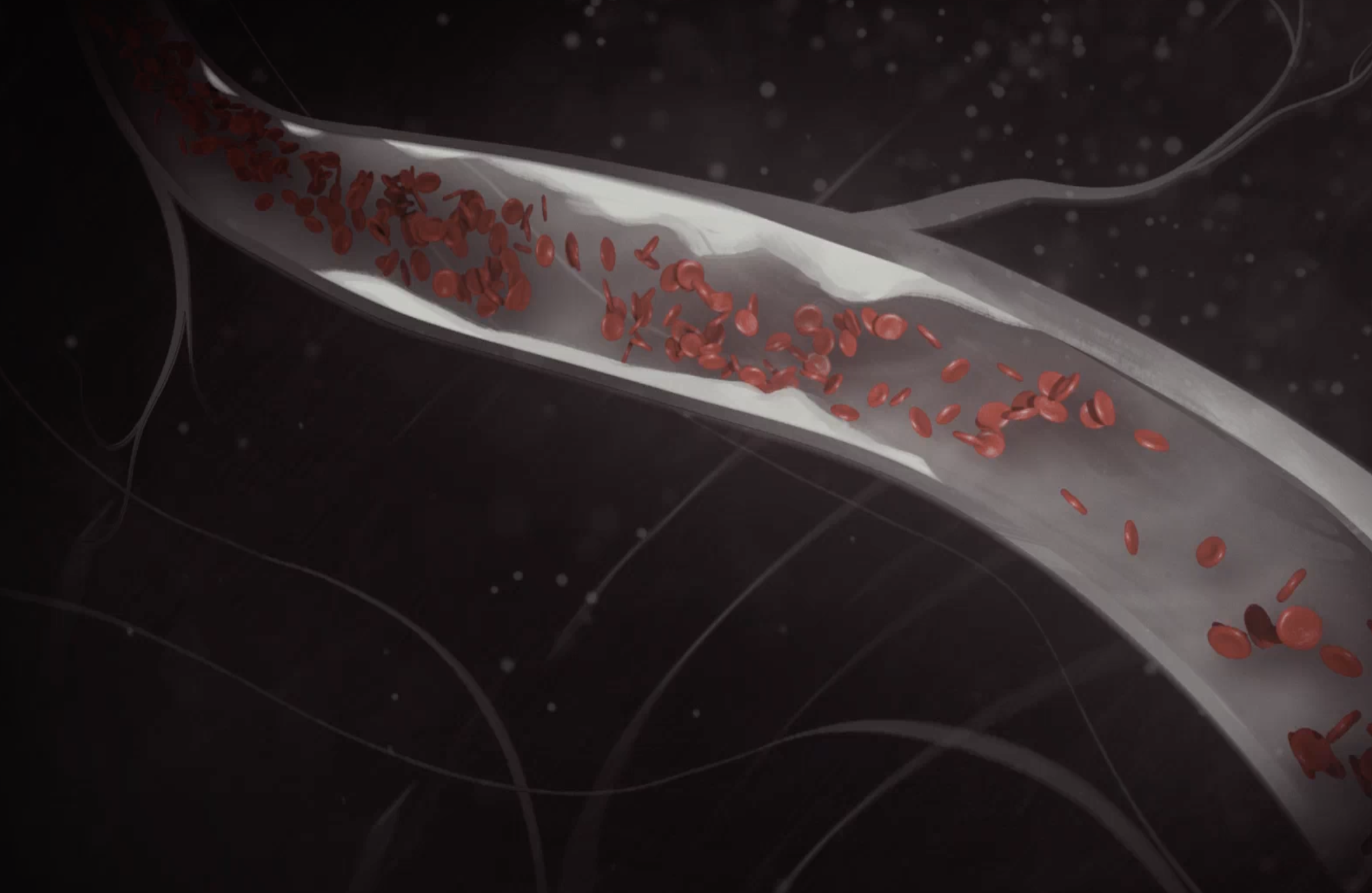
Screenshot from the Cut Off interactive visualizing an angioplasty procedure.
Screenshot from the Cut Off interactive visualizing an angioplasty procedure.
The project was awarded First Place for Digital Project at the annual South Carolina Press Association awards.
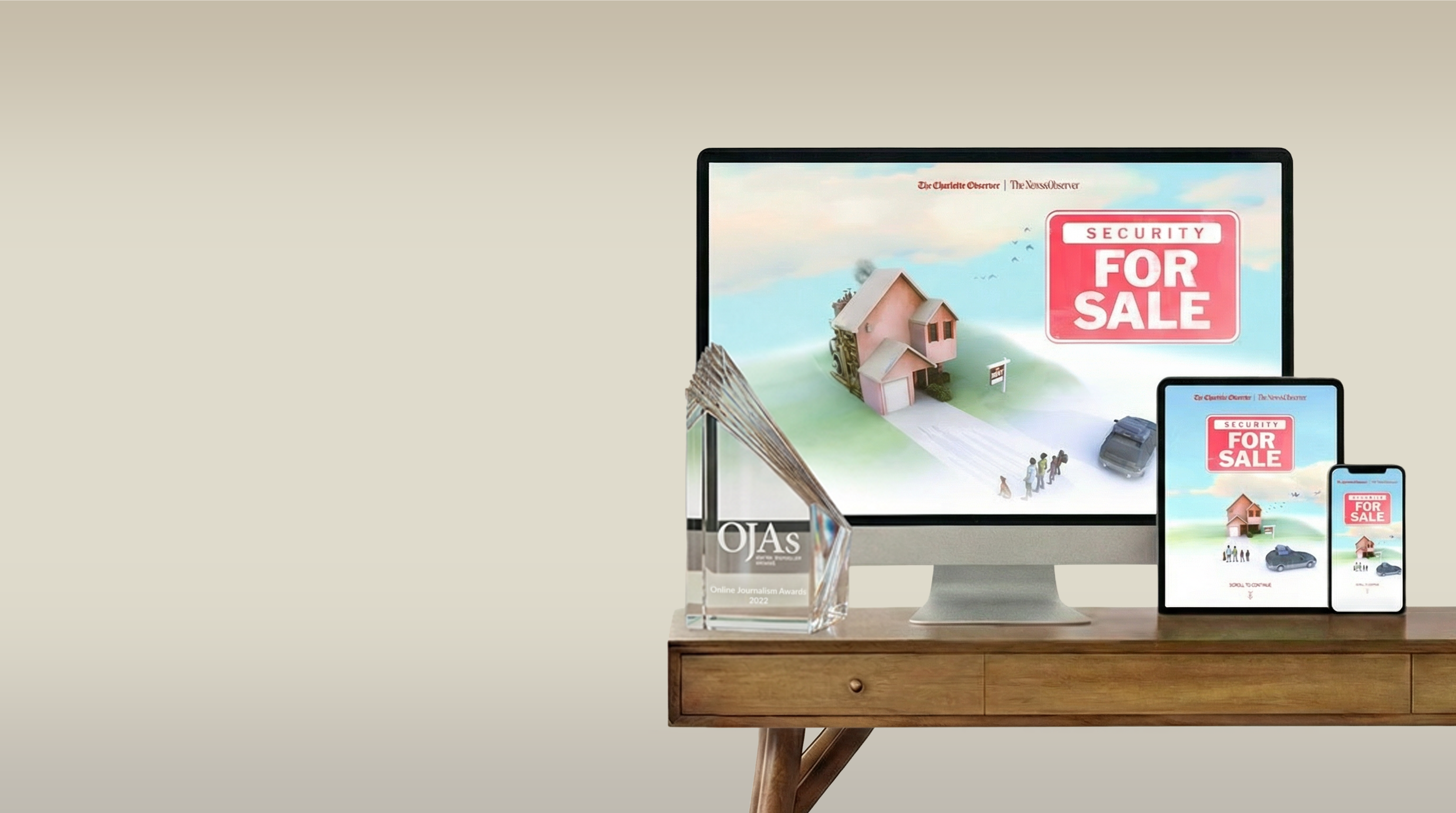
Security for Sale
Over the last decade, Wall Street quietly bought its way into neighborhoods across North Carolina, acquiring nearly 40,000 single-family homes and transforming them into rental assets.
Security for Sale, an investigation by The Charlotte Observer and The News & Observer, examined how institutional investors moved through the housing market and what it meant for renters and first-time buyers competing with private equity.
WATCH: Security for Sale - Social Promo
As Creative Director and lead motion designer, I helped shape the project’s visual storytelling system. Working with reporters and data journalists, we translated sprawling housing datasets into a narrative experience that made the mechanics of institutional homeownership visible.
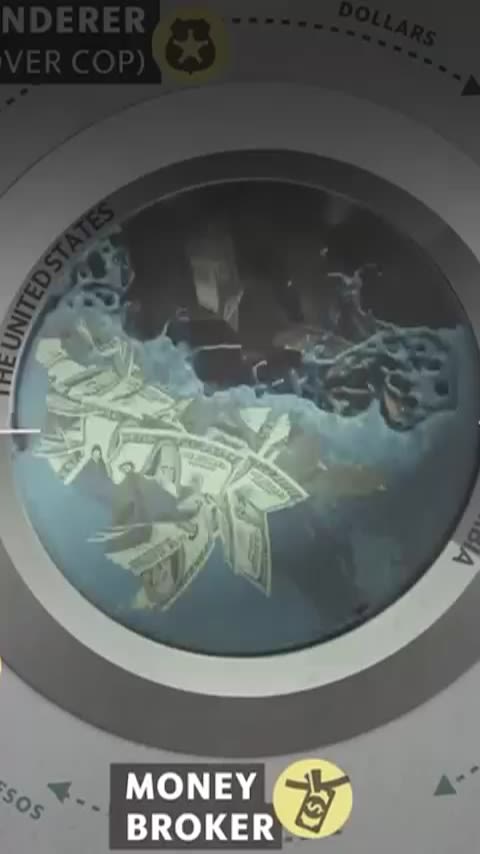
The piece blends data visualization, mapping, motion graphics, and scrollytelling to reveal how capital flows through neighborhoods over time. The design was inspired by a Rube Goldberg machine, reminiscent of Mouse Trap, with each scroll triggering another lever in the larger Wall Street mechanism.

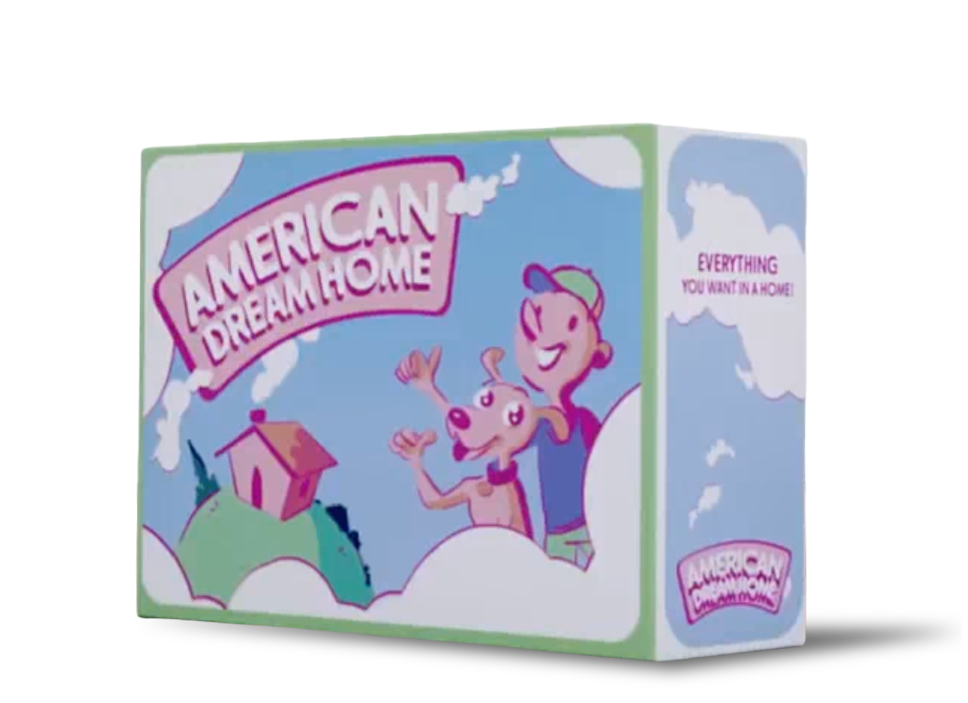
Screenshot from the Secruity for Sale interactive.
Screenshot from the Secruity for Sale interactive.
The project was recognized with an Online Journalism Award for its impact and execution.
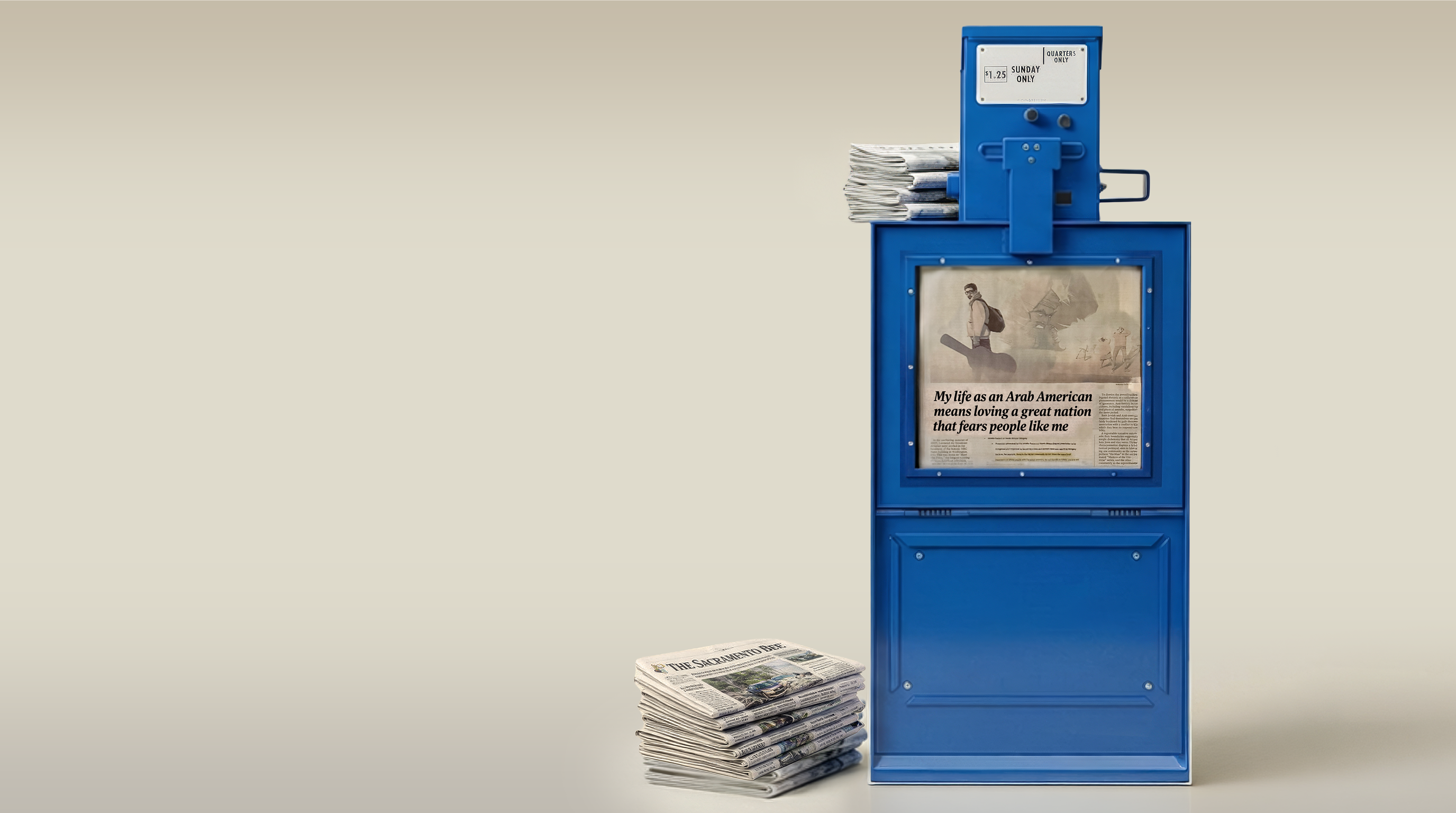
My life as an Arab American means loving a great nation that fears people like me | Op-ed

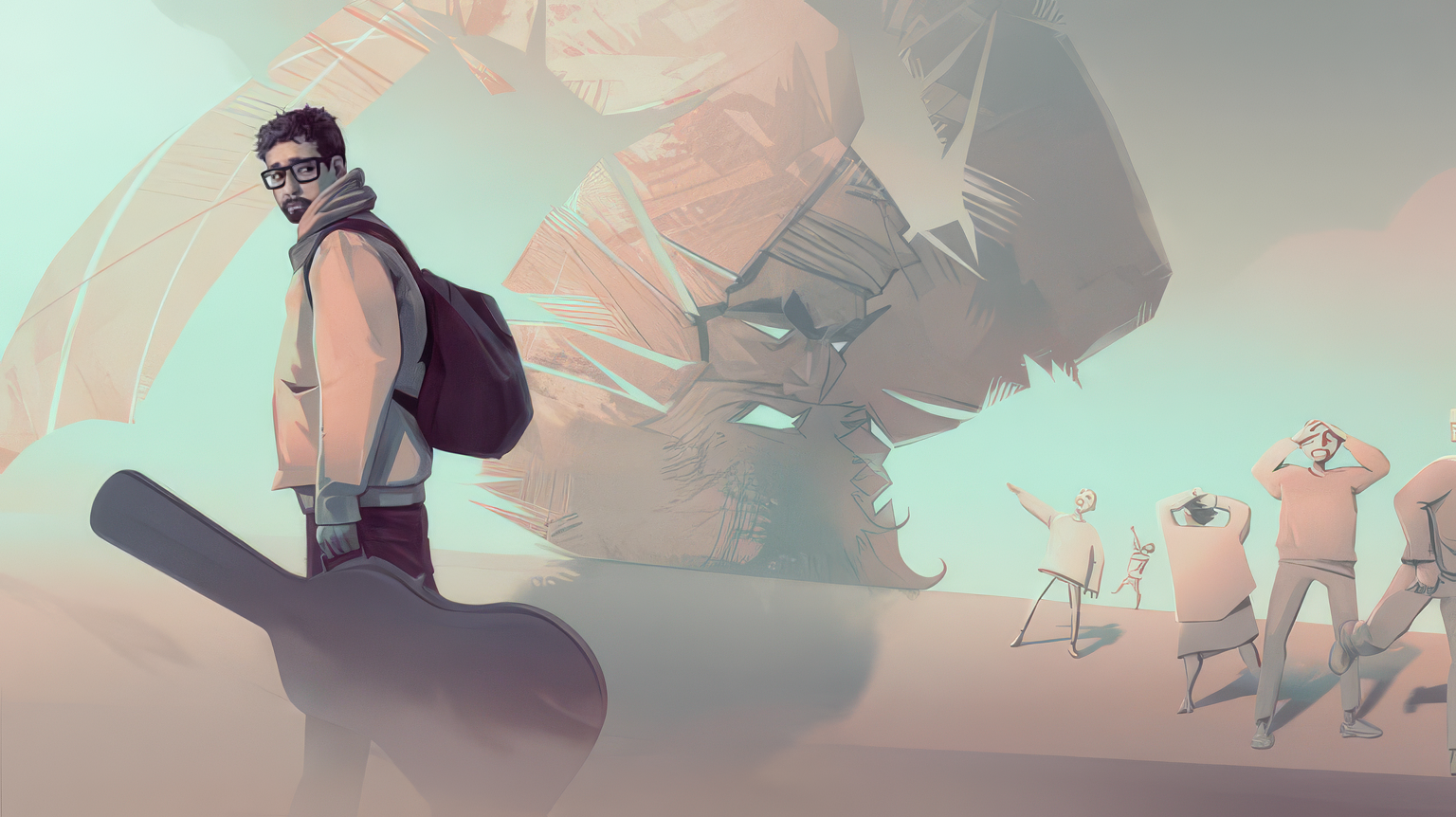
Illustration by Rachel Handley.
Illustration by Rachel Handley.
In this Sacramento Bee op-ed, I stepped out from behind the visuals and wrote about something far more personal: the strange, often contradictory experience of growing up Arab-American in the United States. It was a piece that felt unexpectedly cathartic to write.
The essay blends personal stories with cultural reflection, moving between heavier themes and the occasionally absurd moments that come with navigating life with a name that makes people pause. At times the piece leans into humor, because growing up Arab-American means realizing your name can carry more geopolitical baggage than your carry-on. The same carry-on that keeps getting “randomly” inspected at the airport.
"... Middle Eastern and North African (MENA) regions are classified as “white” in the U.S. Census, rendering about 4 million people as footprints in a sandstorm — statistically invisible."
Ultimately the essay is about belonging. About loving a country deeply while also confronting the ways fear and misunderstanding shape how people see one another. It’s less a polemic than a personal reflection on identity, empathy, and the messy work of trying to understand each other a little better.
Generative AI
Curiosity-driven experiments using generative tools to build stories, visuals, and occasionally strange little things that probably shouldn’t exist but now do.




Goodnight Mouse - Best Intentions
Official Music Video
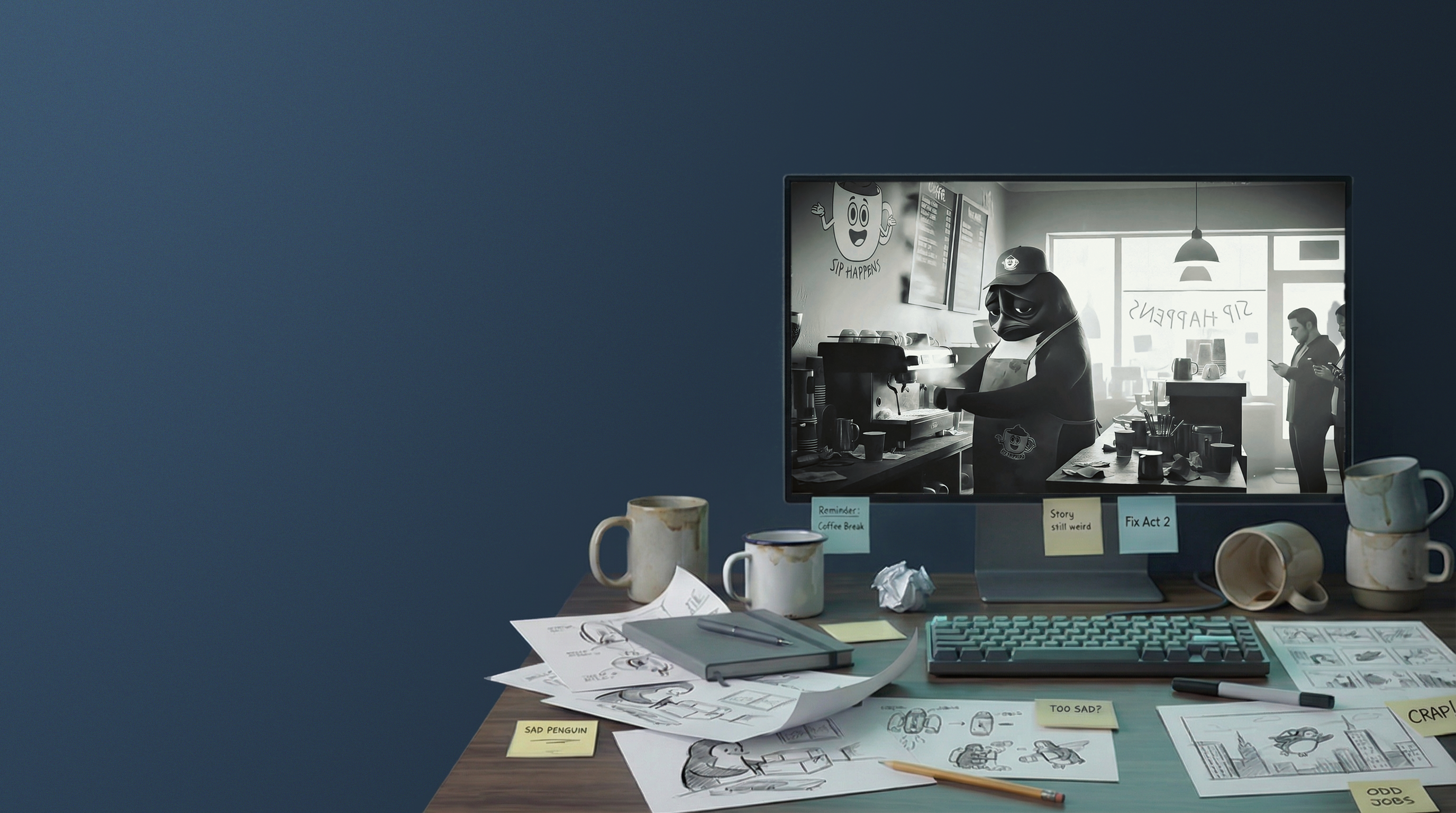
This music video for my band Goodnight Mouse became my first real deep dive into building a generative AI filmmaking pipeline. Over six weeks I stitched together a workflow inside Weavy, linking models such as NanoBanana, Veo, Kling, Seedance, Runway and Chat GPT with the traditional tools I already knew well. This experiment turned into a small laboratory of prompts, renders, revisions, and plenty of trial and error.

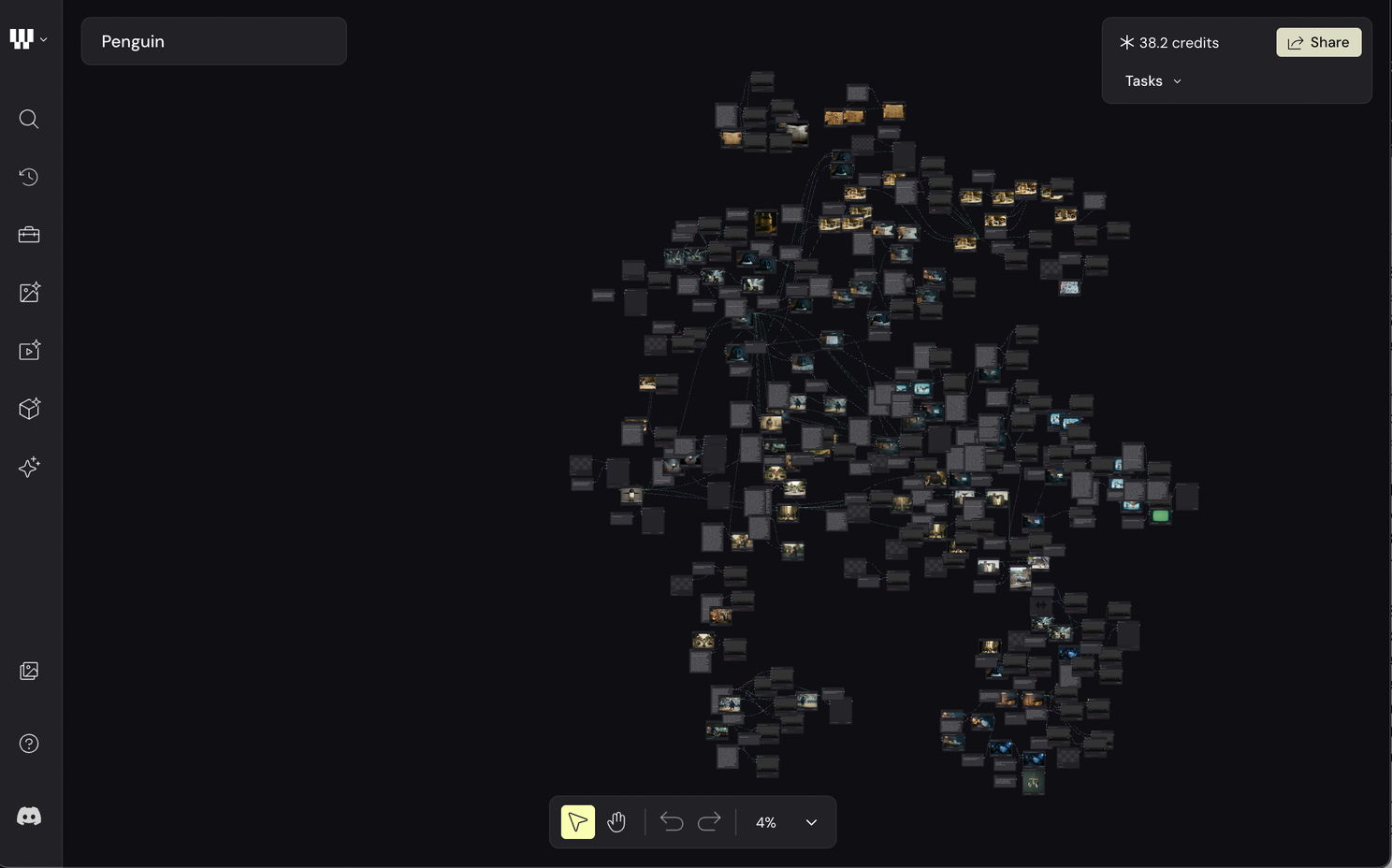
Page 1 of 8 of my Weavy workflow networks linking prompts, image generators, and video models into the AI pipeline used to create the video.
Page 1 of 8 of my Weavy workflow networks linking prompts, image generators, and video models into the AI pipeline used to create the video.
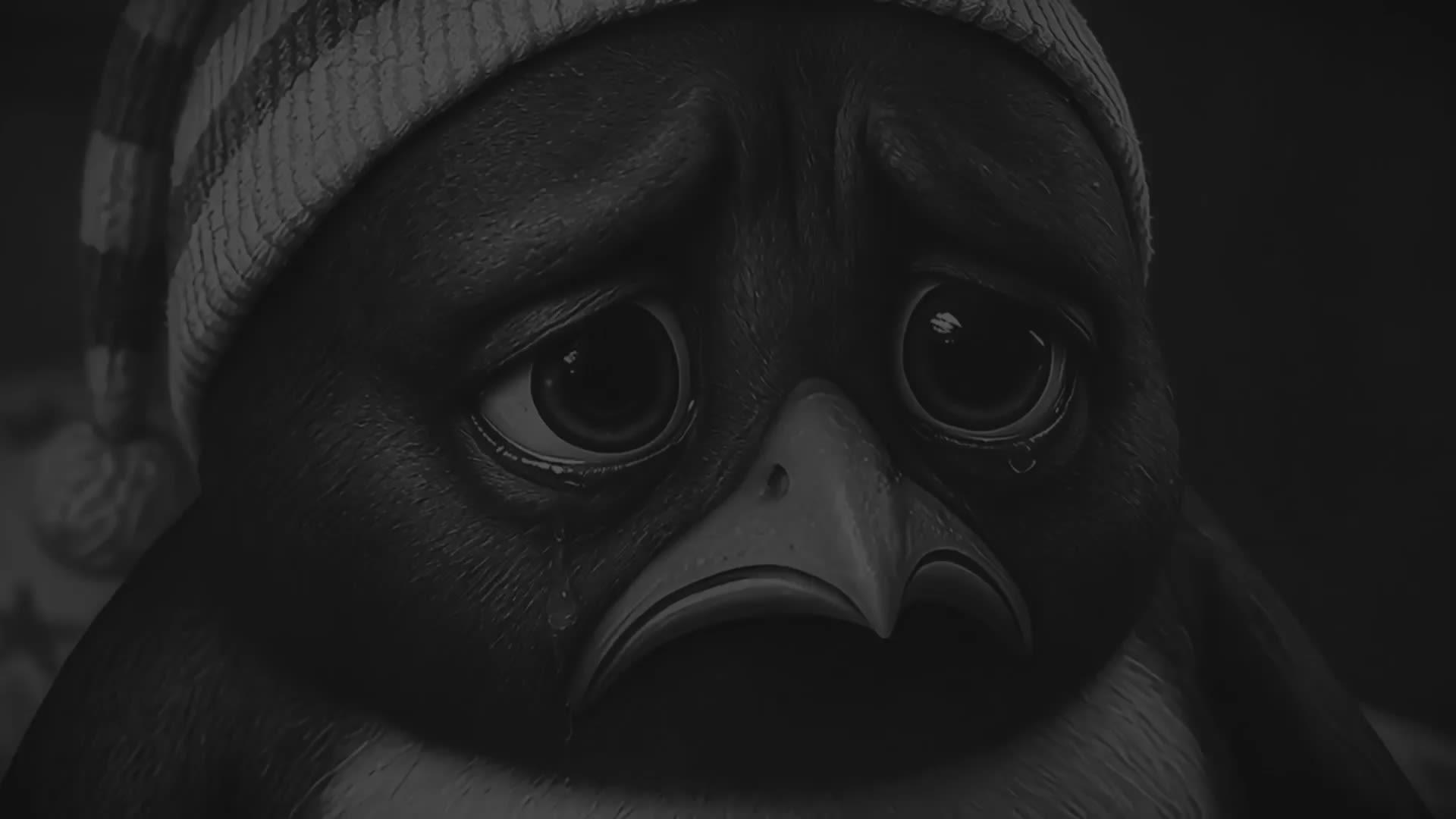
The process was less “type a prompt and magic happens” and more like directing a slightly unpredictable robot film crew. I built the project around a hero frame of a melancholy penguin and used that as the visual anchor while generating dozens of short scenes across different AI video models. Many of the outputs were strange, most were unusable, and every once in a while the machine produced something unexpectedly perfect.
At its core the video tells a simple, slightly absurd story: a flightless penguin working a string of odd jobs to save enough money to build a jetpack and finally fly. Underneath the humor it is really about persistence and stubborn optimism.
WATCH: Best Intentions by Goodnight Mouse
Thank you, David.
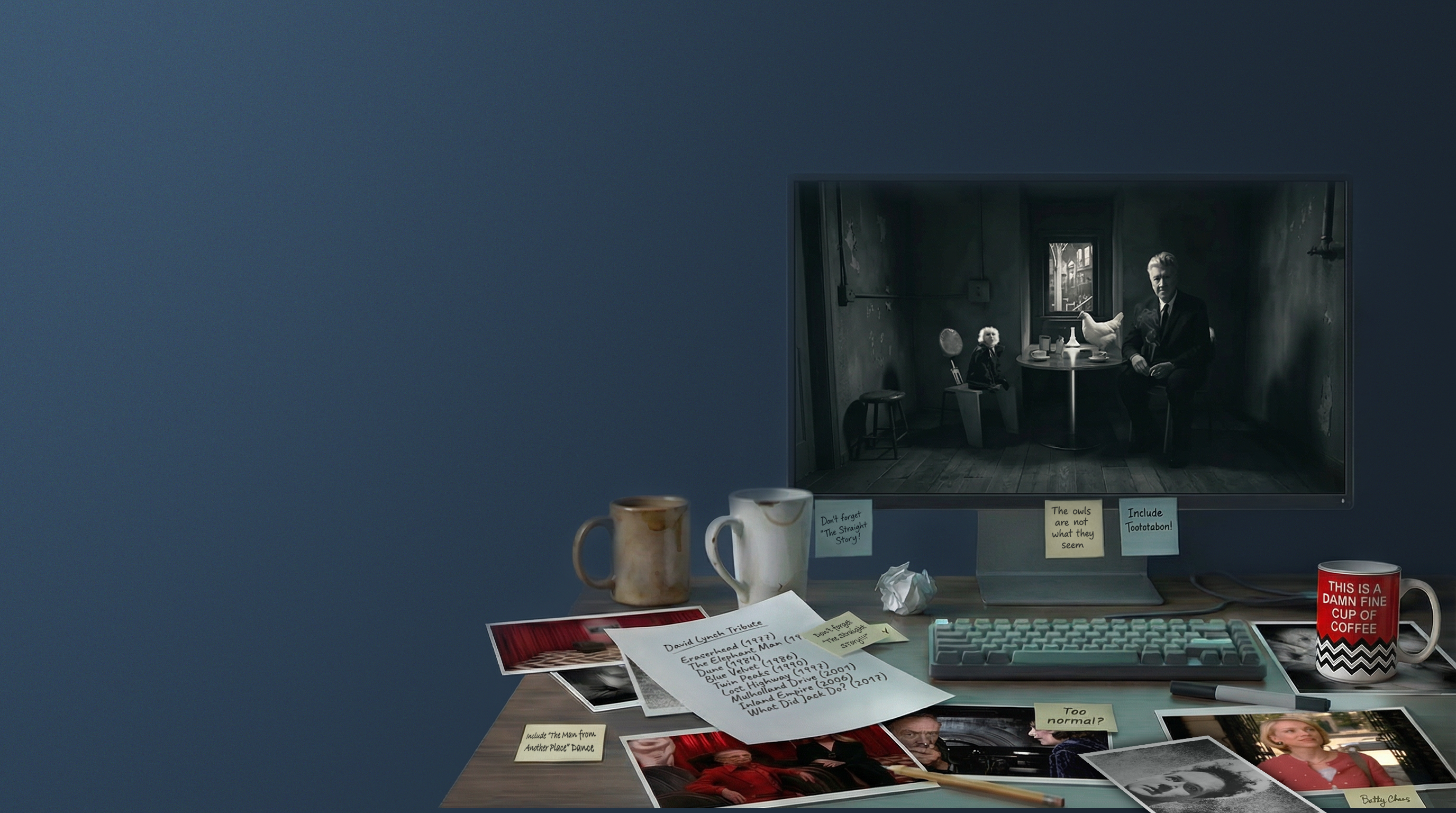
A David Lynch Tribute
For the David Lynch fans who landed here after seeing the video: yes, I owe you an apology. I somehow made an entire Lynch tribute and completely forgot to include a scene from The Straight Story. That’s on me.
David Lynch has been a guiding influence on me since I was a teenager. The cigarette-wielding captain of the strange is one of the reasons I went to art school.
I originally set out to make films. Life eventually nudged me toward motion graphics, journalism, and visual storytelling, but the Lynchian habit of following the strange thread has stuck with me ever since.
The video was built using a hybrid workflow of traditional editing and generative tools. In some places I leaned into AI, but in others I was stubbornly old-school. For the Twin Peaks fans: the Red Room is sacred. AI couldn’t convincingly recreate the Man from Another Place dance, so I rotoscoped the original performance, tracked the camera move, and composited him in by hand.
WATCH: Thank You, David.
The original Facebook post unexpectedly went mildly viral, passing 650,000 views and generating hundreds of comments.
The comment section became a fascinating little snapshot of where the creative world is right now. Some people see generative tools as an exciting new medium. Others see them as the death of creativity. Both sides showed up in force. Reactions ranged from “this is beautiful, I’m crying right now” to “AI slop,” “stop being lazy,” and “go make something yourself.” One moment that genuinely made my day was seeing the video receive a positive comment and share from Jennifer Lynch, David Lynch’s daughter.
Ironically, Lynch himself was never someone who feared new tools. In later interviews he spoke about artificial intelligence with curiosity rather than dread, suggesting artists shouldn’t fear new technology and that it could open doors to entirely new forms of creativity.
If nothing else, the reaction proved one thing: generative AI is still wildly divisive in the creative world.
Which, honestly, feels like exactly the kind of strange conversation David Lynch would appreciate.
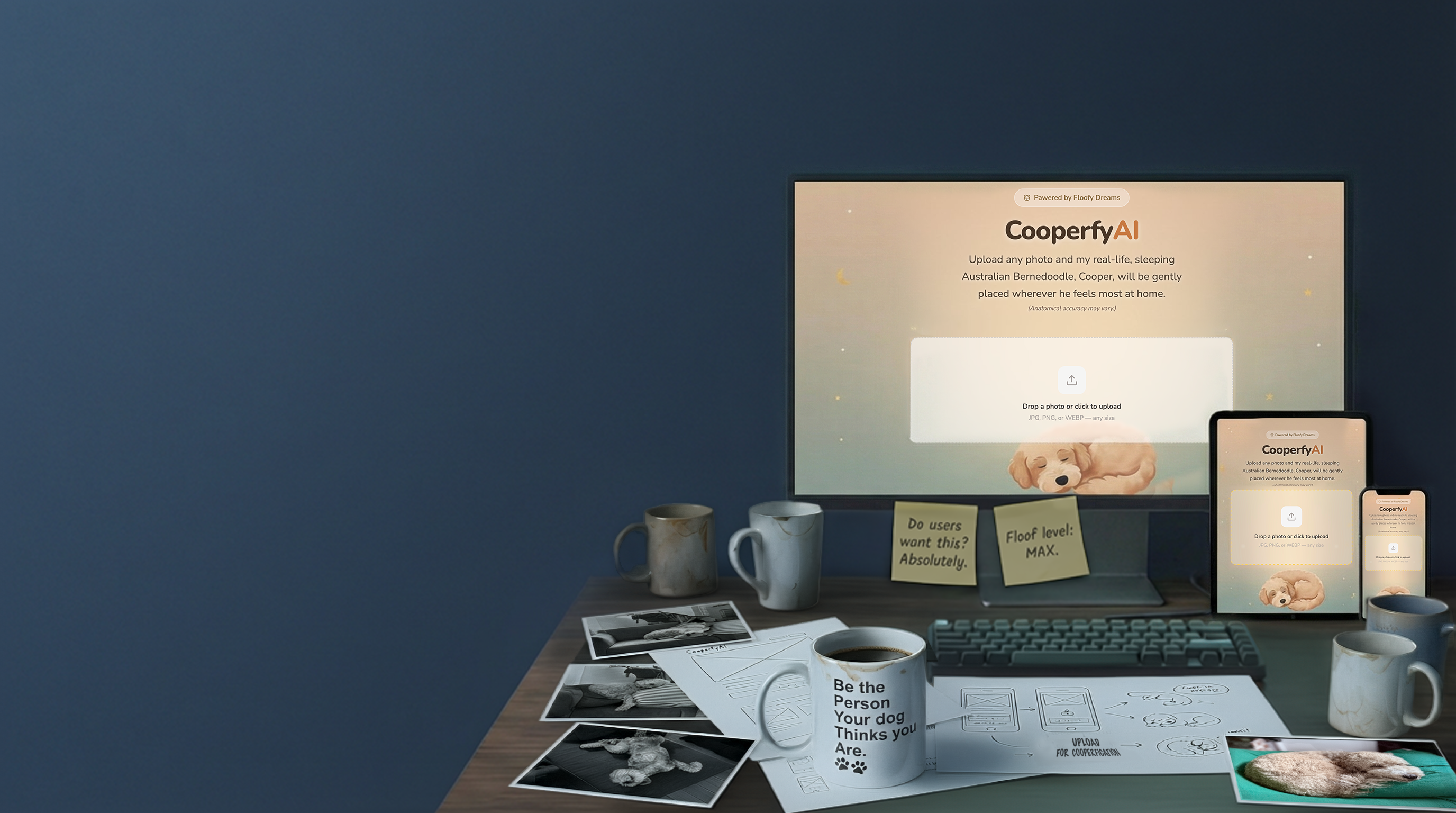
CooperfyAI
With a new [Something]AI startup launching every minute, and every billboard along the 80 heading into the Bay Bridge reminding you of it, it starts to feel like everyone now has an AI product. Your great grandma who hasn’t opened a computer in her life is now building an AI app, and somewhere out there someone is building NameMyAICompany.AI
CooperfyAI started as a joke with my wife. One night I told her that someday I was going to build an app in honor of our three-year-old Australian Bernedoodle, Cooper, whose primary talent is sleeping. The concept was simple. Upload any photo and the app quietly inserts Cooper somewhere into the scene, usually asleep, an homage to his lifelong commitment to napping on every surface in our house.

Screenshot of the CooperfyAI app doing serious artificial intelligence.
Screenshot of the CooperfyAI app doing serious artificial intelligence.
I built the app using a combination of Base44, Cloudflare, ChatGPT, and Google’s NanoBanana API to automatically place Cooper into user photos and produce “Cooperfied” images. It was the first app I’ve ever built, and with help from the robots it took less than half a day. The fastest way to understand new tools is to build something with them. Preferably something unnecessary.

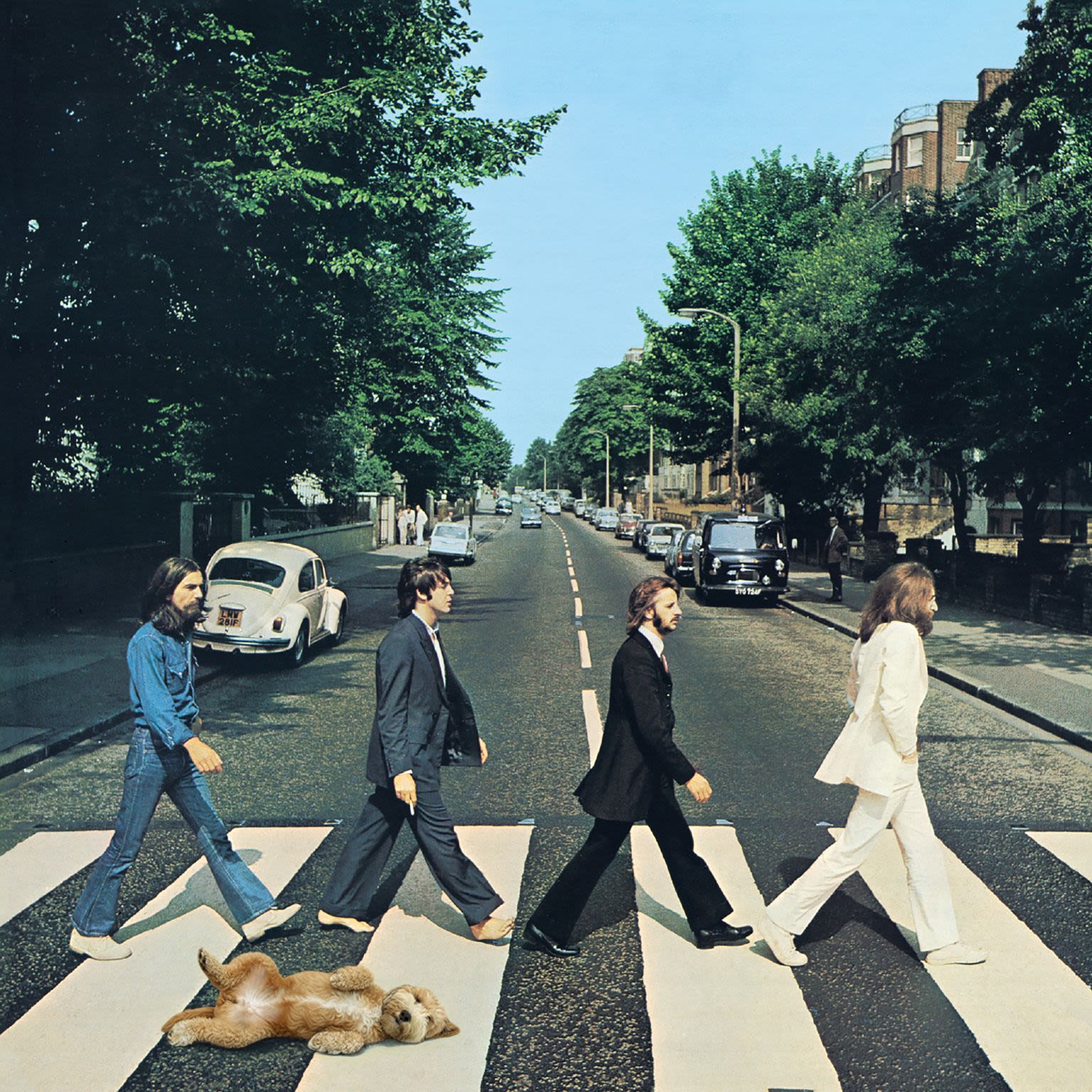
Abbey Road. Cooperfied.
Abbey Road. Cooperfied.
The results are not always perfect. Occasionally Cooper appears with six legs (Beetle-Coop), or resembles a Tribble from Star Trek. Which, if anything, is a pretty accurate demonstration of the current state of AI. Slightly magical, slightly weird, and absolutely unpredictable when left unsupervised by a human.
Gallery
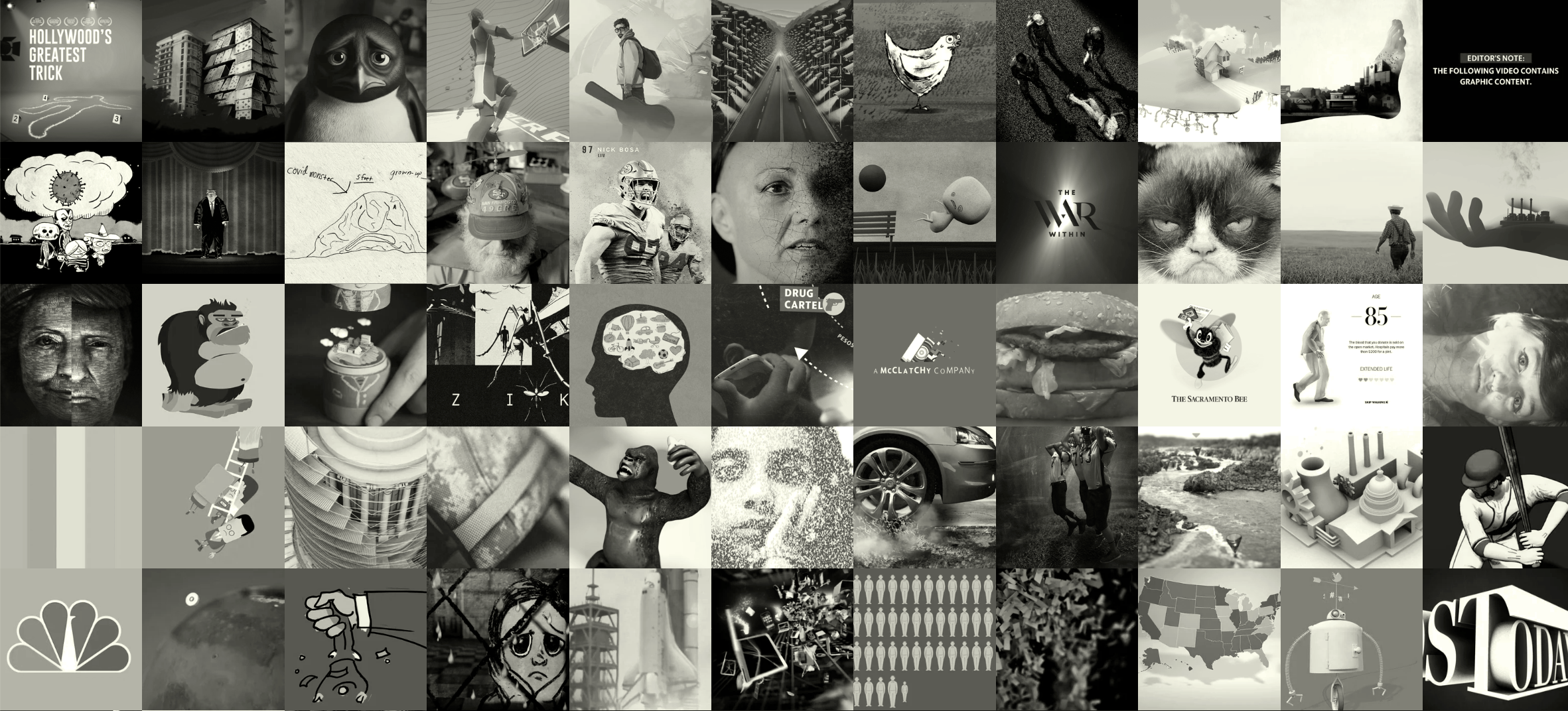
Past work exploring narrative, visual design, and brand-driven storytelling.



















Origin Story
Artist, guitarist, dad.
Author’s note: My origin story is long. If you’d prefer the version with fewer anecdotes and greater respect for your time, here’s my CV.
The early signs were there.
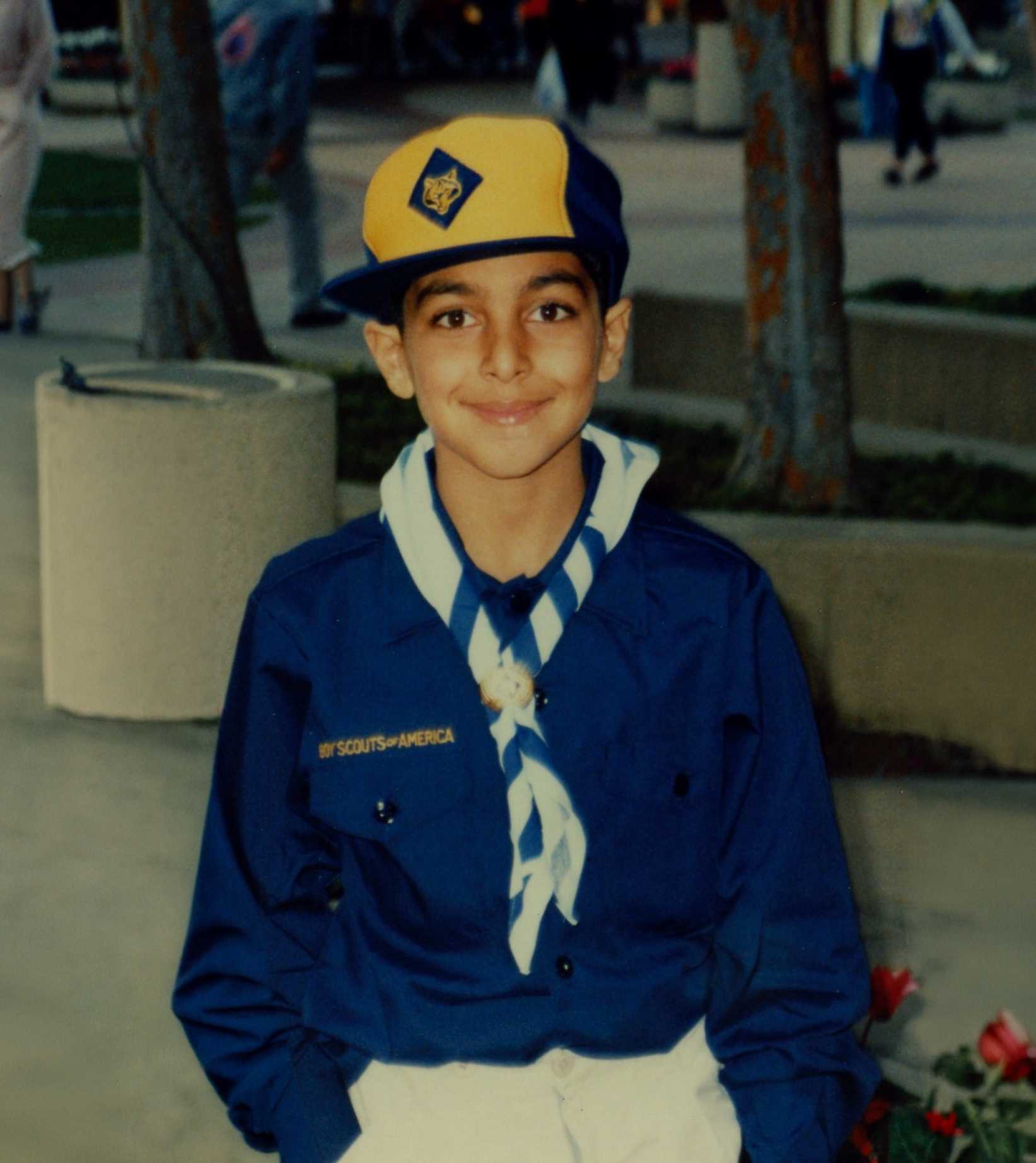
Art has been part of my life since childhood, when I spent more time doodling all over my piano sheet music than actually practicing, much to the chagrin of my possibly 100-something-year-old piano teacher, Clarice. In fourth grade I was awarded “Best Artist” in Mrs. Forest’s class in Burlingame, California, which was the beginning of my long career of dismantling my Middle Eastern parents' dreams of me becoming a doctor or lawyer.
In high school I worked at my parents’ pizzeria. At first they put me in the back making pizzas, but I kept arranging toppings like the pie was headed for a gallery wall instead of a cardboard box. Eventually they moved me to the front to take orders, safely away from the pizza.
That artistic momentum carried me to the Academy of Art University in San Francisco, where I made the computer lab and the Chipotle across the street my second home. I graduated with a Bachelor of Arts focused on 3D character animation and visual effects.
During college I also moonlighted as a barista and gelato scooper, still one of my favorite jobs of all time. That’s where I met my wife. Years later we hired our former boss to cater gelato at our wedding, completing what in retrospect feels like the plot of a small Italian film.
After graduating I moved to New York City to work in commercial motion graphics, living in a roughly 400-square-foot apartment in Hell’s Kitchen. The kitchen itself was roughly the size of my daughter’s play kitchen set. My wife was finishing her studies at NYU at the time.
Eventually I pivoted into broadcast television and moved to Washington, D.C., working on branding and motion graphics at ABC, NBC, and briefly CNN before landing at The Washington Post as a Senior Motion Designer, helping shape the visual identity of its video storytelling during a major digital expansion.
From there I joined McClatchy, publisher of more than 30 newsrooms including The Miami Herald and The Sacramento Bee, where I was eventually promoted to Creative Director leading visual storytelling across motion, design, data, documentary film, writing, and emerging technology.
Music has always been a parallel obsession. I started playing guitar at 16, partly thanks to my honors math teacher, Mr. O’Rourke, who brought an acoustic guitar to class every Friday and played covers of the Violent Femmes. Since then I’ve spent years in original bands hauling heavy amplifiers up staircases clearly never designed for them.
These days life revolves mostly around being a dad to two kids, coaching my son’s soccer team, the Land Park Knights, drinking an irresponsible amount of coffee, and hanging out with our dog Cooper, who sleeps through most of it.

Hey. Nice work. That was a lot of scrolling.
You’ve earned a coffee.


saljamea@gmail.com
415.420.7400
 Built with Shorthand